There are wine regions that impress you.
And then there are wine regions that surprise you.
The Carmel region of Israel does both.
Tucked between mountain slopes and the Mediterranean coastline, the Carmel is one of the country’s most historic and exciting wine destinations. It’s where Baronial vineyards meet boutique family wineries. Where Roman ruins sit a short drive from modern tasting rooms. Where you can hike through pine forests in the morning and raise a glass overlooking the sea by sunset.
If you’re looking for a wine tour in Carmel, you’re not just booking a tasting.
You’re stepping into a landscape layered with history, resilience, flavor, and meaning.
Why Carmel Is Israel’s Hidden Wine Gem
When people think of Israeli wine, they often think of the Galilee. But insiders know that the Carmel region is where modern Israeli viticulture truly found its footing.
The story begins in the late 19th century, when Baron Edmond de Rothschild invested in vineyards and wineries in Zichron Yaakov. Those early efforts helped shape what would become one of the country’s most important wine traditions.
Today, the Carmel region blends that heritage with innovation:
-
Boutique wineries producing small-batch, expressive blends
-
Mediterranean varietals thriving in sun-drenched hills
-
Coastal breezes moderating the summer heat
-
Limestone-rich soils adding structure and character
The result? Wines that are bold yet balanced. Earthy yet elegant. Deeply local — yet globally competitive.
What to Expect on a Carmel Wine Tour
A wine tour in Carmel is not a bus hopping between industrial tasting rooms.
It is intimate.
Intentional.
Unhurried.
Most tours begin near Binyamina, a charming town surrounded by vineyards and easily accessible by train. From there, the experience unfolds across a carefully curated route — often including scenic lookouts, historic neighborhoods, and boutique wineries.
1. Vineyard Views & Terroir Talk
Before the first sip, you’ll likely step into the vines themselves.
On the slopes of Mount Carmel, you can feel how geography shapes flavor:
-
Morning sun warming the grapes
-
Afternoon sea breezes cooling the clusters
-
Elevation adding freshness and acidity
Guides often explain how the Mediterranean climate influences varietals like Cabernet Sauvignon, Syrah, Merlot, and local blends designed for the region’s unique character.
Wine becomes less abstract.
More agricultural.
More alive.
2. Boutique Winery Tastings
Carmel wine tours typically focus on boutique wineries — the kind where the winemaker might greet you personally.
Expect guided tastings of 3–6 wines, ranging from mid-level expressions to premium reserve bottles. Tastings are often paired with:
Each glass comes with context:
Why this blend?
Why this barrel aging method?
How did the vintage differ from the previous year?
You’re not just drinking wine.
You’re learning the language of the land.
3. Zichron Yaakov: Walks, Wines & Wonders
No Carmel wine tour feels complete without time in Zichron Yaakov.
Its pedestrian streets are lined with galleries, cafes, and wine cellars. The historic architecture reflects its late 19th-century roots, while the atmosphere feels relaxed and Mediterranean.
Here, wine tours often blend tasting with storytelling:
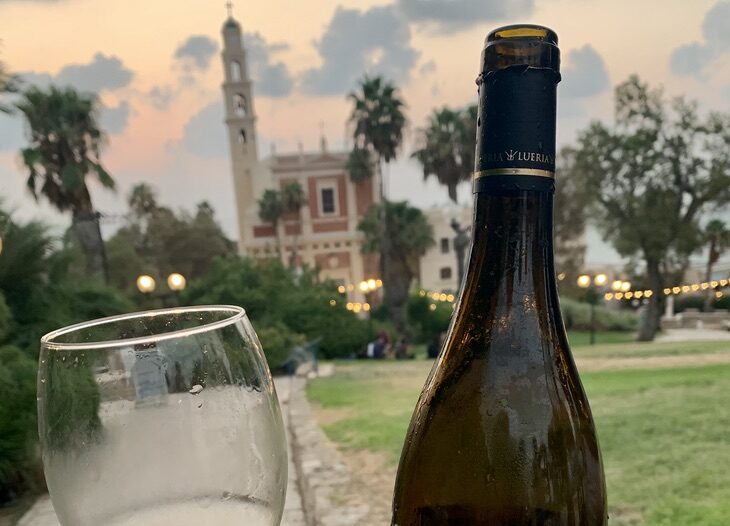
Add a sunset lookout over the Mediterranean, and you begin to understand why Carmel wine feels different.
It is rooted in both struggle and celebration.
Beyond the Bottle: Culture, Coast & Conversation
One of the greatest advantages of a wine tour in Carmel is proximity.
Within a short drive, you can visit:
-
The Roman amphitheater and aqueduct at Caesarea National Park
-
Scenic hiking trails on Mount Carmel
-
Coastal beaches stretching along the Mediterranean
Many curated wine tours incorporate these elements — creating a multi-sensory day that blends nature, antiquity, and modern craft.
Imagine:
A short forest hike in the morning.
A guided tasting at midday.
A late-afternoon stroll through Zichron.
A final l’chayim toast overlooking the sea.
It’s not rushed.
It’s rhythmic.
Food & Wine Pairing in Carmel
Wine tastes better when paired thoughtfully.
Carmel tours often offer tiered culinary options, from light snacks to full gourmet lunches. You might encounter:
The philosophy is simple:
Food should complement the wine — not overpower it.
The Mediterranean diet, with its emphasis on freshness and balance, naturally enhances the structure of Carmel wines.
Every bite deepens the sip.
Who Is a Carmel Wine Tour Perfect For?
A wine tour in Carmel works beautifully for:
-
Couples seeking a romantic day
-
Corporate teams wanting an elevated bonding experience
-
Small groups of friends
-
Families with adult children
-
Faith-based groups interested in biblical and historical context
-
Travelers who prefer boutique over bus-tour tourism
Most curated experiences are designed for small groups — typically 4 to 15 guests — ensuring personal attention and conversation.
Because wine is social.
And Carmel wine is best enjoyed slowly.
Best Time of Year for a Carmel Wine Tour
Carmel is stunning year-round, but each season offers a slightly different tone:
Spring (March–May):
Green hills, mild temperatures, blooming wildflowers.
Summer (June–August):
Warm days, vibrant vineyard energy, cooler evenings near the coast.
Autumn (September–November):
Harvest season. A particularly exciting time to visit wineries.
Winter (December–February):
Quieter roads, dramatic skies, cozy indoor tastings.
There is no wrong time — only different moods.
Intimate Tourism vs. Checklist Tourism
What sets a Carmel wine tour apart is intention.
This is not about racing to tick off three wineries in record time.
It is about:
-
Slowing down
-
Listening
-
Learning
-
Laughing
-
Sharing
The Carmel region invites you to engage — with the land, with history, with each other.
When thoughtfully guided, a wine tour becomes more than leisure.
It becomes perspective.
The Final Toast
A wine tour in Carmel is not just about what’s in the glass.
It’s about where you’re standing when you raise it.
Among vines planted generations ago.
Overlooking a sea that has seen empires rise and fall.
In a region that continues to reinvent itself.
Carmel wine carries resilience.
Mediterranean sun.
Pioneer spirit.
Modern craftsmanship.
So whether you’re a seasoned wine enthusiast or simply curious, Carmel offers something rare:
Depth with beauty.
History with hospitality.
Flavor with story.
Come walk the vines.
Come taste the hills.
Come raise a glass.
L’chayim — to Carmel.

0 Comments